
Using AI in recruitment? Tread carefully.

Technology has come a remarkable way in the last 20 years. Today’s business systems and processes are a long way from where they were just two decades ago, providing firms of all sizes and types advantages that largely seemed impossible. Artificial Intelligence (AI) is now creeping into many business processes and common-use software. Depending on your view of the future, the introduction of AI is either exciting, or a little scary, perhaps both!

Modern technology is seriously like magic, however if you’re serious about diversity, you should think twice about using AI in your organisation’s recruitment processes as a means of filtering candidates.

Recruitment processes can be arduous, particularly in a time where the job market is skewed like now, and there is a disproportional number of candidates compared to the number of roles. Naturally, the temptation for employers is to use whatever means necessary to get the result they are looking for with the least amount of effort and cost, but when it comes to AI in recruitment, it’s just not there yet. Even the best software struggles with interpreting written words versus the writer’s intent. And when you factor in the after-hours phone calls, the personalised emails, the negotiating of terms of an employment contract – these are things that AI simply can’t do and just a few examples of why the human touch always produces better outcomes in recruitment.

There is well-documented case of a successful, global IT company using AI to filter candidates. In 2018, Amazon unsuccessfully deployed AI to aid its recruiting strategy. At first it seemed like a great idea; using machine-learning to churn through hundreds, maybe thousands of candidates for each role. That is, until they discovered that the algorithm had taught itself to ignore female candidates! It transpires that the “machine” rewarded applications that included language that men tend to use more frequently than women and as a result, they ranked higher. Thankfully the project was pulled before it ever became a reality, but it is a great case study of good intention versus unintended consequences, with women bearing the brunt of those consequences.

The recruitment industry is sometimes seen as something of a “necessary evil”, a means to an end, or even a luxury. But if you ask any recruiter, it is the relationships that we build with candidates that makes for the most successful interactions and placements. In some industries, women are under-represented by factors of 10 or more; they are indeed the proverbial “needle in a haystack”. To find them, it sometimes takes a lot of effort, time and above all, relationship building. This is something that AI simply cannot do. CVs tell one story, but with every candidate, there is always another story that is not present on paper. And that’s where the true magic happens.

Who knows, in another 20 years how far way AI will have advanced? Perhaps it will eventually be smart enough to manage end-to-end recruitment. Tempting for sure, but if you really do want to advance diversity and bring balance to leadership in your organisation, tread carefully. There are better ways, at least for now.


Open Door is committed to ensuring that women are evenly represented in recruitment processes. Talk to us about how we can help your organisation achieve balance.
Diversity vs Skills – Which to choose?

You can have either the best skills or you can have someone from a diverse background or gender.”

Not true. Recruiting for diversity does not need to be a case of either/or.

We often hear the argument that prioritising diversity is a zero sum game, because in the pursuit of recruiting a diverse workforce we are somehow foregoing talent that is a better match for the role. And yes, in some cases that might be true such as a hiring manager receiving a directive from the CEO or Board that requires diversity to become part of the company’s recruitment process, but without also receiving guidance as to how to do it.

But it absolutely does not have to be this way.

Just because you want to benefit from diversity in your organisation does not mean you have to forego the right person or skills for the role. At Open Door we come across this situation all the time, and some clients genuinely find this something of a dilemma, “We have an agenda to increase gender diversity, but our hiring manager just needs the right person and they need them now.” It’s understandable, but we reassure them that with the right recruitment processes you can absolutely have both the right skills/person AND diversity.

How do we do this?

Well as they say, if it was that simple everyone would be doing it, and lack of gender diversity just wouldn’t be an issue. It isn’t easy; it requires quiet determination and energy. But with the right mix of patience (to look where others aren’t looking), expertise (the right language and tone) and approach (knowing who and when to contact), you can unlock a section of the market that most employers and recruiters simply don’t see. And at the core of this, is trust. We have built our business on trust, and it goes three ways: between Open Door, our clients and our candidates. When our candidates trust us, we engage more deeply with them. When clients trust us, they know that it’s worth trying a different process.

Open Door is dedicated to diversity, AND providing our clients with access to the best talent for the role. It’s not one or the other – you can have both – you just need to know how.

Follow our page on LinkedIn, or go to careers.open-door.com.au to check out our latest featured roles, or call us on (03) 7022 6740 for a chat today.

The “Pink Recession” and Budget 2020-21

In the past few months, thanks to COVID19, we have seen a significant and unwelcome increase in unemployment. In particular, women appear to have been affected disproportionately with women losing their jobs at a rate of more than 2.5 : 1 over men in the early part of this year, according to the ABS. This has been dubbed the “Pink Recession” and has seen women take more than their fair share of the burden. The long-term impact of this on individuals is likely to be considerable, especially when you factor in things like reduced superannuation contributions over this period.

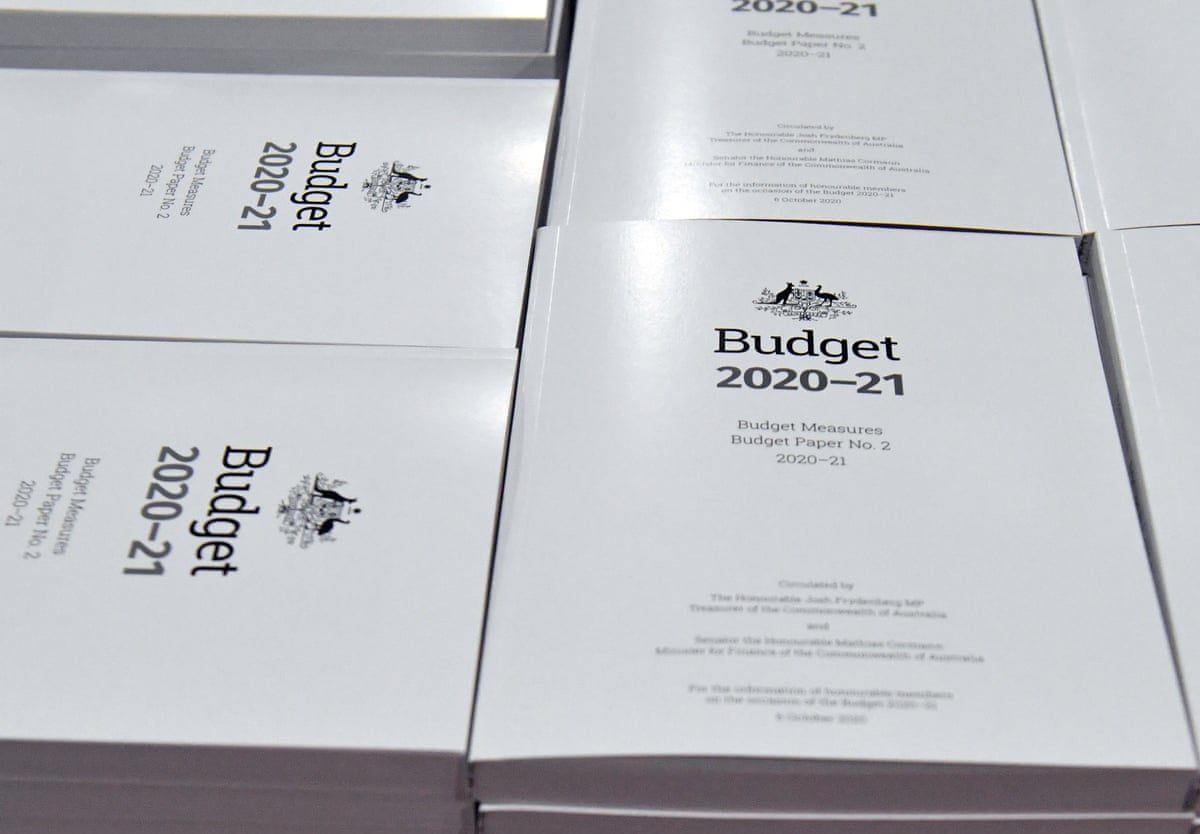
The Federal Government handed down its latest Budget for 2020-21 last night, and the numbers are quite breath-taking: A $74 billion JobMaker Plan as its headline initiative. Expanding on an existing initiative (the Women’s Economic Security Statement originally announced in 2018), the Government unveiled a new $240m plan over five years, including the $50m Women@Work program and the new Women in STEM and Entrepreneurship (WISE) Grants.

It’s good news, but we note that the money allocated specifically to helping women in the workplace is just a fraction of the total budget. Make no mistake, $50 million is a lot of money by anyone’s measure and the programs should be welcomed, but proportionally this seems on the light side given what women in the workplace have experienced in recent months and the size of the task.

So what does this mean for the job market? And specifically, for women in the job market?

It’s hard to say, but one thing is for sure, the road to recovery will take time. Unemployment is due to peak in December 2020, with early signs that the economic turn-around is commencing, but it will be slow. Treasury projections are saying that unemployment levels will not reduce to “normal” levels (~5.5%) until 2024.

The current market is skewed towards employers at the moment – some job ads are attracting literally hundreds of applications and competition for roles is as high as ever. Some employers are doing their best to combat the Pink Recession by adopting a balanced approach to shortlisting candidates – something which Open Door wholeheartedly supports. But the sheer volume of applicants can make the process difficult.


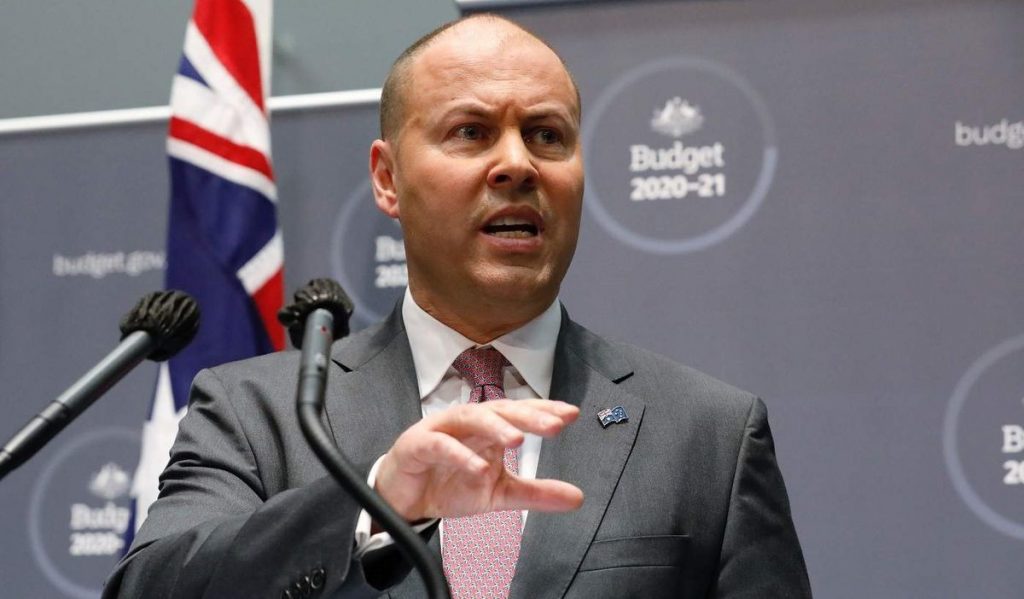
The Treasurer promotes the Government’s budget. Photo – ABC


The COVID19 pandemic has had such a dramatic and devastating effect on health and economy alike, the action required by this government, and likely others around the world, mean unprecedented levels of national debt as we attempt to revive the economy and drive growth.

$50 million is significant, but is it enough? Time will tell.

At Open Door, we are doing our best to support employers in combatting the Pink Recession by bringing balance to shortlists. This is never more apparent in STEM-related roles where women are already under-represented. This is what we do best, and we look forward to working with our Clients and Partners on bringing an end to the Pink Recession as quickly as possible, and we encourage all employers to make the most of the JobMaker Plan, and proactively support women in recruitment processes.


Go to careers.open-door.com.au to check out our latest featured roles, or call us on (03) 7022 6740 for a chat today.